
Expanding Foam
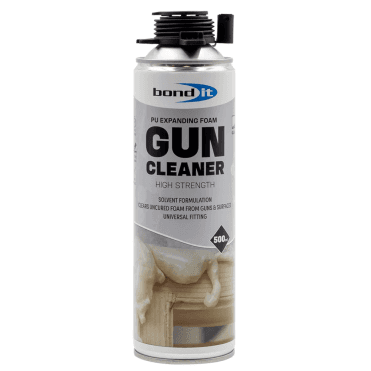
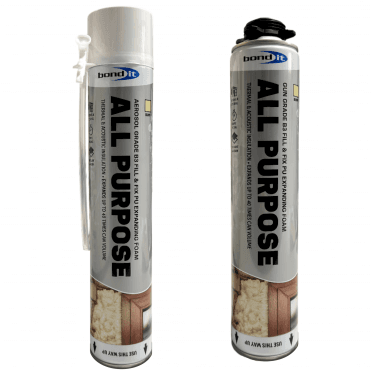
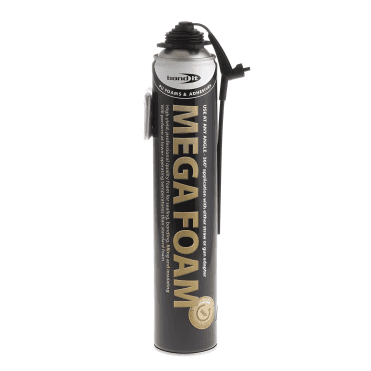
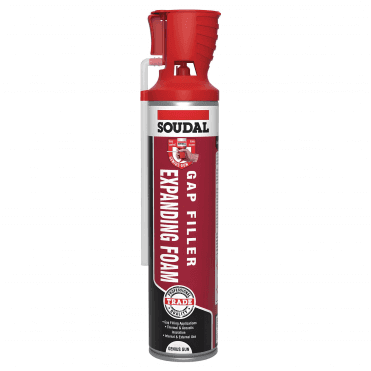
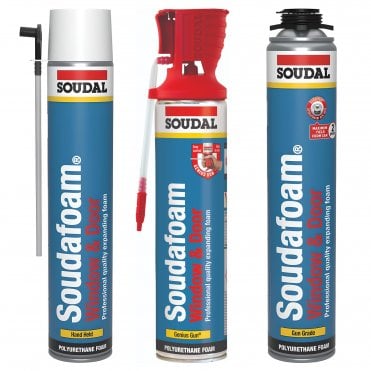
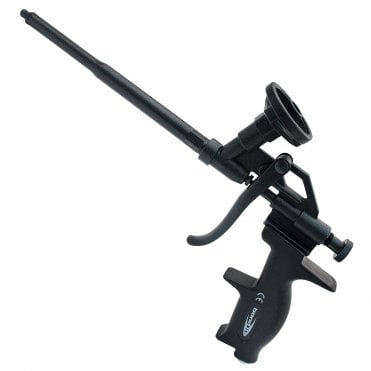
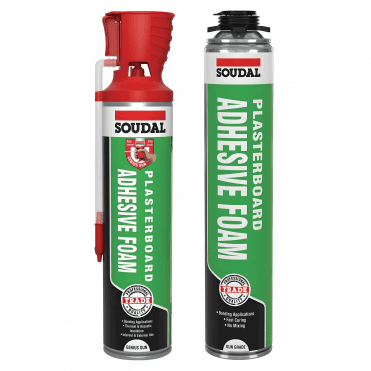
Expanding foam, also known as spray foam insulation, is a type of foam material commonly used for insulation and sealing gaps in buildings and other structures. It is made from a mixture of two liquid components—polyol resin and isocyanate that, when combined, undergo a chemical reaction and expand to create a foam-like substance. This foam is then injected into gaps, crevices, or wall cavities, where it expands and hardens, effectively sealing and insulating the area.
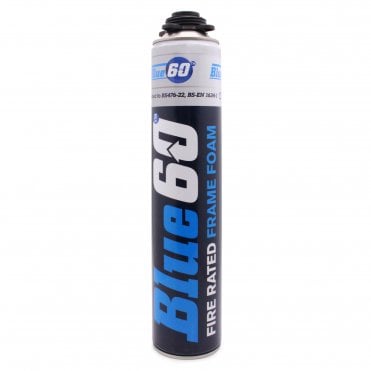
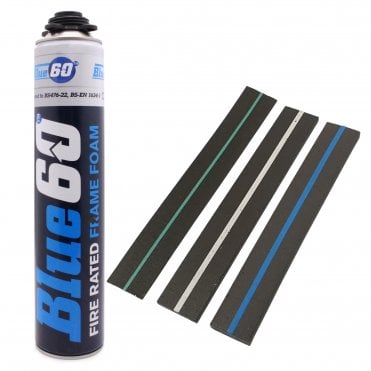
Key Features of Expanding Foam
Insulation: Expanding foam is an excellent insulator, providing a high level of thermal resistance (R-value) when properly applied. It helps to prevent heat transfer, keeping buildings warmer in winter and cooler in summer, which can lead to energy savings.
Air Sealing: It is highly effective at sealing gaps and cracks in walls, ceilings, floors, and around windows and doors. This helps to prevent drafts, reduce air leakage, and improve energy efficiency.
Waterproofing: Some types of expanding foam are designed to be water-resistant or waterproof, making them suitable for use in areas prone to moisture, such as basements and crawlspaces.
Sound Dampening: Expanding foam can also help reduce noise transmission when applied between walls or in soundproofing applications.
Versatility: It can be used in a variety of DIY and construction projects, such as insulating attics, sealing gaps in walls, filling voids in concrete, and even creating custom shapes or sculptures.
Types of Expanding Foam: There are different types of expanding foam, including open-cell and closed-cell foam. Closed-cell foam is denser and offers a higher R-value, making it suitable for areas with limited space. Open-cell foam is lighter and less dense, providing some sound-dampening properties but a lower R-value.
