
One of the most common questions we see, what’s the difference between self tapping and self drilling screws? Even though both types are commonly used in many sectors, many still struggle to understand the differences.
Self-tapping and Self-drilling screws are both are heroes in many applications, but they have their own superpowers. Here's a quick rundown of their differences:
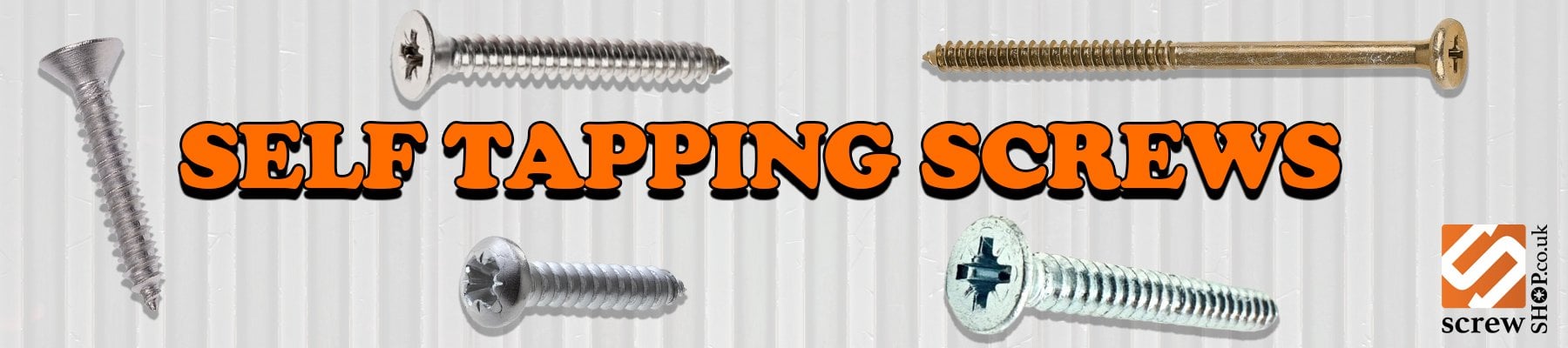
Self-Tapping Screws:
Self Tapping Screws have various names. Whether you call them metal screws, sheet metal screws, tapping screws, tapper screws or various other names, they are all the same screw.
Their tips come in different shapes: pointed (like a pencil), blunt, or flat, and they are described as thread-forming, thread-cutting, or thread rolling.
If the screw is pointed, it will be thread-cutting – tapping and creating threads in a pre-drilled hole.
If the tip is flat, it is thread-rolling – rolling or extruding threads and creating zero clearance between screw and material.
Self-tapping screws are generally easy to install. They do not require pre tapping to create a thread. Be careful when of over-tightening as this can cause the screw to strip the threads, reducing its holding power. It’s also important to ensure that the pilot hole, or hole that the screw is inserted into, is the correct size and shape to ensure proper thread formation and holding power.
The most important difference between self-tapping and self-drilling screws is that self-tapping screws cannot go through metal without a pre drilled pilot hole.
-
Purpose: Designed to create their own threads as they are driven into a material.
-
Material: Ideal for softer materials like wood, plastic, or thin metal.
-
Pre-Drilling: Often requires a pilot hole to guide the screw.
-
Types: Can come with various thread and point designs, like sharp points for cutting through softer materials.
-
Usage: Commonly used in applications where there's already a small hole, and you need the screw to "tap" its threads into the material.
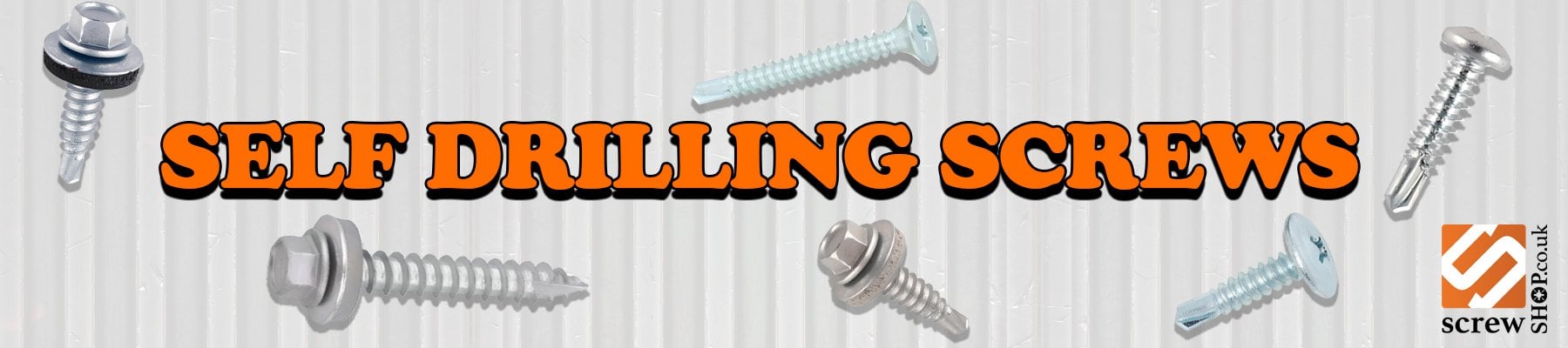
Self Drilling Screws:
Self Drilling Screws often called Tek Screws, after the brand name that popularized them. (Much like Hoover)
Self Drilling Screws easy to distinguish if you look at their point, which curves gently at the end and is shaped like a twist drill.
As with Self Tappers they are easy to install, but again be careful as over-tightening can cause the screw to strip the threads, reducing its holding power.
Self Drilling Screws need no pilot hole to cut and fasten they can drill, tap, and fasten in one movement.
Self Drilling Screws can be used with roofing, cladding, metal roofing and most construction projects. They can also be used for metal to metal, wood to metal, and low dense material applications.
Self Drilling Screws save time and reduce costs and help with assembly errors.
-
Purpose: Equipped with a drill bit at the tip, these screws can drill and tap their threads into harder materials.
-
Material: Suitable for harder materials like metal and certain types of plastics.
-
Pre-Drilling: No pilot hole needed; the screw drills and taps in one motion.
-
Types: Typically have a fluted tip that looks like a mini-drill bit.
-
Usage: Often used in metalworking and construction where speed and efficiency are key.