
How To Choose The Right Screw For Any Job
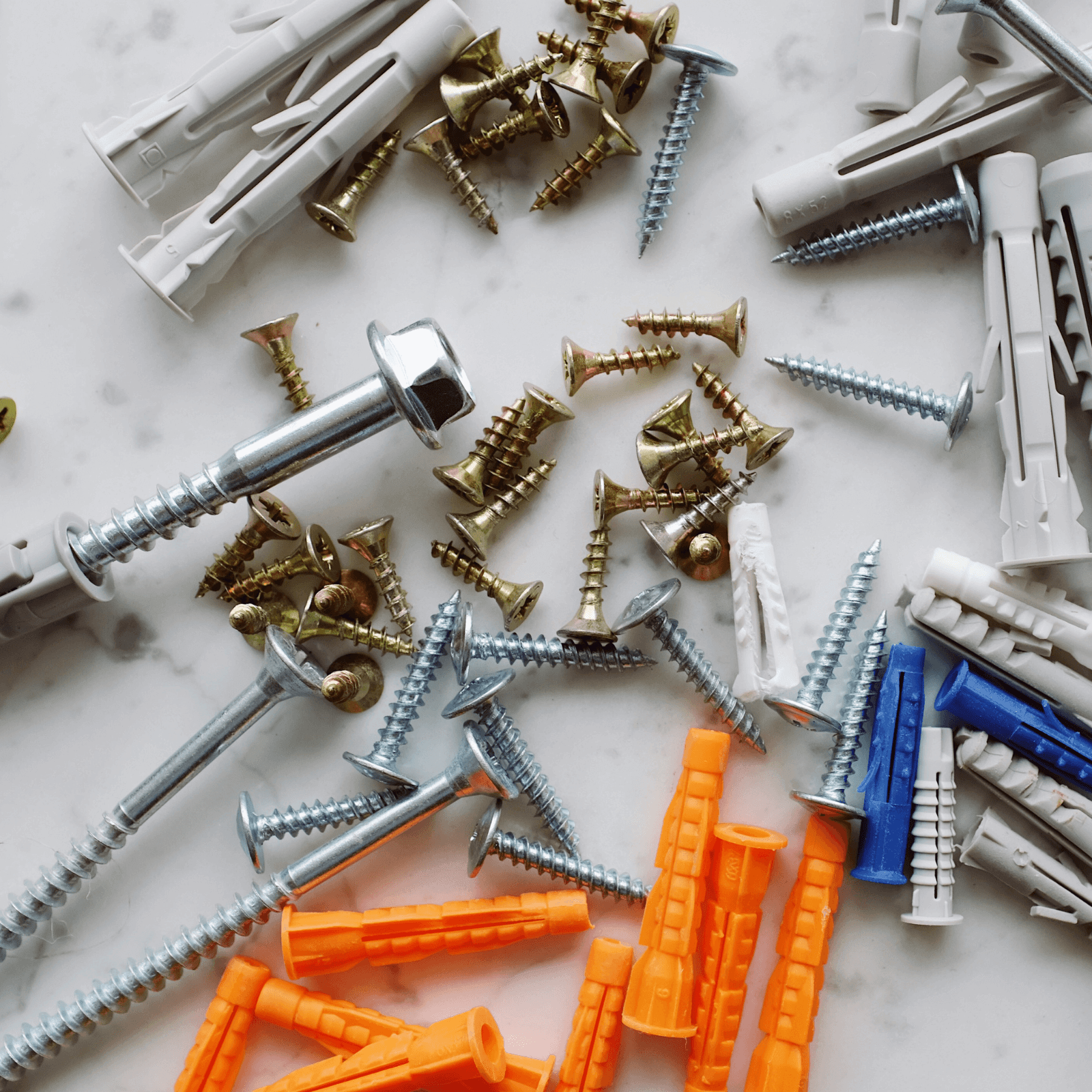
Choosing the right screw isn’t just about size, it’s about strength, material, coating, head type, and the job you’re tackling. Using the wrong screw can lead to weak joints, corrosion, damaged timber, or even structural failure.
Whether you’re a DIY beginner or a seasoned tradesperson, understanding screw types will help you achieve stronger, safer, and longer‑lasting results. This guide breaks down the most common screws and explains exactly when to use each one
Understanding the main types of screws
Woodscrews
Woodscrews are designed specifically for timber and are one of the most commonly used fixings in DIY and construction. They feature a sharp point and a coarse thread that bites into the wood, creating a strong mechanical hold.
Woodscrews are ideal for:
Furniture building
Joinery
Framing
General carpentry
Choose woodscrews when you need:
Strong grip in softwood or hardwood
A clean finish with minimal splitting
A versatile screw suitable for most indoor projects
Chipboard Screws
Chipboard screws are engineered for manufactured boards such as chipboard, MDF, and particleboard. These materials can split easily, so chipboard screws are designed with a thin shank and deep thread to reduce damage while providing excellent pull‑out resistance.
Use chipboard screws for:
Flat‑pack furniture
MDF shelving
Flooring panels
Kitchen carcasses
They come in a range of finishes, including zinc‑plated, yellow‑passivated, and black, depending on the environment and appearance you need.
Decking screws
Decking screws are built for outdoor use and are designed to withstand moisture, rain, and the tannins found in timber. They typically feature a self‑countersinking head and a fast‑cutting thread that reduces splitting and speeds up installation.
Use decking screws for:
Timber decking
Fencing
Outdoor furniture
Garden structures
For coastal or wet environments, stainless steel decking screws offer the best long‑term protection against corrosion.
Screw Materials and Coating
Stainless steel screws
Stainless steel screws offer the highest level of corrosion resistance. They won’t rust, even in harsh outdoor conditions, making them the best choice for long‑term durability.
Choose stainless steel when:
The screw will be exposed to rain or moisture
You’re working near the coast
You want maximum lifespan and reliability
Stainless steel is commonly used for decking, fencing, outdoor joinery, and marine environments.
Zinc-plated screws
Zinc‑plated screws are ideal for indoor applications. The zinc coating provides light corrosion resistance, making them suitable for dry environments where moisture isn’t a concern.
Use zinc‑plated screws for:
Indoor carpentry
Furniture assembly
General household projects
They’re cost effective and widely used, but not suitable for long‑term outdoor exposure.
Choosing the right screw length and gauge
Selecting the correct length and gauge is just as important as choosing the right type of screw.
Length
A good rule of thumb is that the screw should be 2–3 times the thickness of the material you’re fixing.
This ensures a strong hold without breaking through the other side.
Gauge (Thickness)
The gauge affects the screw’s strength:
Thicker screws = more holding power
Thinner screws = better for delicate materials
General rules:
Thin materials – shorter, thinner screws
Structural timber – longer, thicker screws
MDF – avoid overtightening to prevent splitting
When to use self-tapping screws and self drilling screws
Self Tapping:
Self‑tapping screws cut their own thread into the material as they are driven in.
They are ideal for:
Metal
Plastic
Thin timber
They save time and create a secure hold without needing a pre‑cut thread.
Self Drilling
Self‑drilling screws (often called Tek screws) have a drill‑bit style tip that removes the need for pre‑drilling.
They are perfect for:
Metal‑to‑metal fixing
Metal‑to‑timber fixing
Roofing and cladding applications
They speed up installation and reduce the need for additional tools.
Final tips for choosing the right screw
To get the best results from any project, keep these tips in mind:
Match the screw material to the environment
Use the correct head type for your driver bit
Don’t overtighten — it weakens the joint
Pre‑drill hardwoods to prevent splitting
Use stainless steel outdoors whenever possible

Comments are closed here.